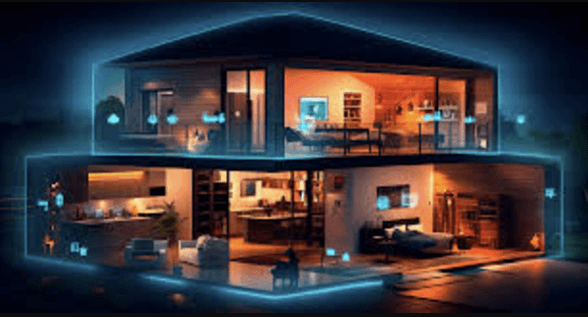
Building a smart home of the future hinges on modular, scalable foundations that adapt as technology and needs evolve. Emphasis on interoperability, clear data flows, and governance enables devices, gateways, and platforms to mesh reliably. Energy-aware scheduling and demand response reduce costs without sacrificing comfort. Privacy and security operate by default, with auditable decisions and minimal data collection. A practical, budget-conscious plan anchors progress, inviting stakeholders to explore concrete steps and measurable milestones before widening scope.
What Makes a Future-Ready Smart Home
A future-ready smart home is defined by its adaptability, interoperability, and resilience across evolving technologies and user needs.
Systems optimize performance through modular components, data-driven tuning, and scalable architectures.
Edge cases are anticipated with robust testing, ensuring reliability under atypical scenarios.
Energy efficiency remains central, guiding demand response, sensor accuracy, and intelligent scheduling to balance comfort, cost, and sustainable operation.
Designing for Everyday Use: Interoperability and Connectivity
Interoperability and connectivity underpin everyday use by ensuring devices from diverse ecosystems communicate reliably and securely.
The design prioritizes standardized protocols, modular components, and open APIs to reduce vendor lock-in.
Data-driven testing tracks interoperability challenges and compatibility gaps, guiding scalable integrations.
Emphasis on connectivity reliability enables predictable performance, user freedom, and practical adaptability across devices, gateways, and platforms.
Security, Privacy, and Resilience at Home
Organizations adopt layered privacy controls and governance, ensuring transparent data flows and auditable decisions.
Systems emphasize data minimization, firmware integrity, and regular risk reassessment, enabling scalable protection without sacrificing user freedom or autonomy.
Practical First Steps to Start Your Smart Home Today
To begin building a reliable smart home, one should start with a concrete, data-driven plan that links governance from the prior focus on security, privacy, and resilience to practical implementation. The approach emphasizes scalable, budget friendly options and risk-aware choices, avoiding vendor lock-in. Identify core devices, establish interoperability, anticipate setup pitfalls, and measure energy, security, and user autonomy for sustainable growth.
Frequently Asked Questions
How Does AI Adapt to Changing Household Routines Over Time?
AI adapts to changing household routines by continuously learning preferences and updating models, enabling adaptive routines that reflect evolving schedules; learning preferences drive personalization, while scalable data-driven policies ensure robust performance across devices, rooms, and user contexts for freedom-minded households.
What Are the Hidden Energy Costs of Smart Devices?
Energy consumption from always-on sensors and cloud processing increases total household energy use, while data privacy risks arise from continuous data transmission. Practically, scalable mitigations include local processing, energy-aware scheduling, and transparent privacy controls for freedom-seeking users.
Can Smart Homes Operate During Power Outages or Network Failures?
In a hypothetical case, smart homes rarely function fully offline; offline operation challenges include sensor reliability and fallback power. They can maintain basics via smart grid resilience designs, but live automation halts during outages or network failures.
See also: Building Scalable Applications in 2026
How Do I Manage Multiple Voice Assistants Securely?
To manage multiple voice assistants securely, one should implement secure authentication and enforce cross platform privacy, using centralized policy controls, role-based access, and audit trails; scalable configurations minimize risk while maximizing user freedom and interoperability.
What Standards Ensure Long-Term Device Compatibility and Updates?
“Time will tell.” Standards governance ensures long-term device compatibility and updates, mitigating vendor lock in while promoting interoperability. The approach is practical, data-driven, and scalable, appealing to audiences seeking freedom and durable, standards-based ecosystems across evolving smart-home devices.
Conclusion
A future-ready smart home rests on interoperable, scalable foundations that accommodate evolving devices, platforms, and data flows. By prioritizing modular architectures, energy-aware scheduling, and auditable governance, households gain resilience, cost efficiency, and clearer privacy boundaries. Practical steps—standardized protocols, phased deployments, and continuous monitoring—turn ambitious plans into repeatable gains. Will a data-driven, privacy-conscious approach, backed by transparent decisions and auditable traceability, unlock a home that adapts as reliably as daily routines?